Key Takeaways
- GE Vernova, Côte d’Ivoire’daki 372 MW Songon kombine-çevrim tesisine 9E gaz türbini ve jeneratör sağlayacak.
- China Energy International Engineering tarafından inşa edilen tesis, 2029’da ticari işletmeye alınacak ve ülkenin kurulu kapasitesinin %12’sine kadar enerji üretecek.
- 9E, ≈ 400 MW (sadece gaz) üretir, 58,5 % net kombine-çevrim verimliliği sunar ve IEC 61882 emisyon sınırlarını (< 15 g/kWh NOx) karşılar.
- Proje, Fildişi Sahili’nin 2030’a kadar evrensel elektrifikasyon hedefini destekleyerek ≈ 1.400 iş yaratacak ve %10-15 yıllık talep artışına yanıt verecek.
Overview of the Songon Combined-Cycle Project
Location & Stakeholders
Yeni güç istasyonu, Abidjan’ın doğusunda yaklaşık 30 km mesafede bulunan Songon sanayi bölgesinde konumlanacak. Girişim, bir Fildişi Sahili kalkınma-yatırım aracı olan Songon Energies tarafından yönetiliyor ve finansman, Haziran 2024’te çok taraflı kredi verenler ve yerel bankalardan oluşan bir konsorsiyum aracılığıyla sağlandı.
Capacity, Configuration & Timeline
- Kurulu kapasite: 372 MW (≈ 5 milyon ev).
- Teknoloji: Tek milde 9E gaz türbini, bir jeneratör sürmekte, egzoz gazları bir ısı geri kazanım buhar jeneratörüne (HRSG) ve bir buhar türbiniine beslemektedir.
- Komisyonlama: 2029 hedefleniyor; tesis, Côte d’Ivoire’nin toplam üretim filosunun yaklaşık %12’sini (≈ 3 GW) temsil edecek.
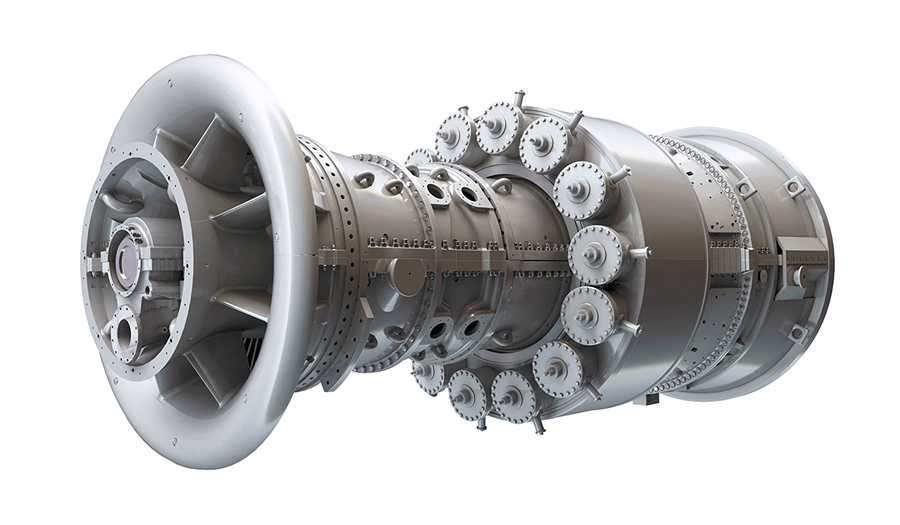
GE Vernova 9E Gas Turbine – Technical Snapshot
| Parameter | 9E (GE Vernova) | 7FA+ (previous generation) | 8HA (high-efficiency flagship) |
|---|---|---|---|
| Rated output (gas-only) | 400 MW (ISO) | 250 MW | 500 MW |
| Combined-cycle net efficiency | 58.5 % | 55 % | 62 % |
| NOx emissions | < 15 g/MWh (IEC 61882) | 30 g/MWh | < 10 g/MWh |
| Dry weight | 378 t | 260 t | 470 t |
| Start-up time (full load) | ≤ 15 min | ≤ 30 min | ≤ 10 min |
| Design life | 30 yr (with hot-section upgrades) | 25 yr | 30 yr |
The 9E bridges the gap between the proven 7FA+ platform and the ultra-high-efficiency 8HA, offering a compelling balance of output, efficiency, and emissions for emerging-market combined-cycle plants.
Key Design Features
- Advanced 3-stage high-pressure compressor delivering a pressure ratio of 18:1.
- Dry low-NOx (DLN) combustor with staged fuel injection, enabling compliance with strict African emission standards.
- Modular hot-section that can be upgraded to the latest ceramic matrix composite (CMC) blades, extending life-cycle performance.
Impact on Côte d’Ivoire’s Energy Landscape
Electrification Progress & Demand Outlook
By the end of 2024, the national electrification rate reached 94.3 %, driven by the “Electricity for All Program” (PEPT). However, annual demand is growing 10-15 %, especially in rural zones where grid reach remains limited. The Songon plant’s 372 MW will:
- Reduce the capacity gap from an estimated 1.2 GW to under 600 MW.
- Provide grid-stability services (frequency regulation, spinning reserve) thanks to the turbine’s rapid start-up capability.
Economic and Social Benefits
- ≈ 1,400 direct and indirect jobs during construction and operation, with a target of 40 % local labor participation.
- Local content: Approximately 25 % of equipment (piping, instrumentation, civil works) will be sourced from Ivorian suppliers under the government’s “Made in Côte d’Ivoire” policy.
Project Execution & EPC Partner
China Energy International Engineering Co., Ltd. (CEIE) was awarded the EPC contract in early 2025. CEIE’s portfolio includes over 15 combined-cycle projects across West Africa, giving it the regional experience to manage civil works, HRSG integration, and commissioning within the stipulated four-year schedule.
Bottom Line
GE Vernova’s 9E turbine is the technical cornerstone of Côte d’Ivoire’s Songon 372 MW combined-cycle plant, delivering high efficiency, low emissions, and rapid start-up—attributes essential for a grid facing double-digit demand growth. The project not only bolsters national power security, contributing roughly one-tenth of total capacity, but also stimulates local employment and supply-chain development. As the plant comes online in 2029, it will be a decisive step toward the country’s 2030 universal-electrification target and a model for future gas-fired investments across the region.


