Temel Çıkarımlar
- Hizmet sağlayıcılar, OEM'leri eklemeli imalat (AM) talebinde geride bırakıyor, genel pazar oranının yaklaşık 2 katı hızla büyüyor.
- Protolabs ve Xometry gibi büyük sözleşmeli atölyeler hâlâ baskın, ancak ADDMAN gibi yeni oyuncular hızla ölçekleniyor (9 ABD sitesi, 81 yeni HP yazıcı).
- Endüstriyel 3-D baskının geleceği tedarik zinciri yeniden yerelleştirmesi ve yüksek hacimli AM ekipmanının uygun maliyeti üzerine kurulu.
- AM benimsenmesi enjeksiyon kalıplamaya benziyor: çoğu son kullanıcı üretimi dış kaynak kullanıyor, makineleri sahiplenmiyor.
“Her Evde Yazıcı”dan “Her Fabrikada Yazıcı”ya
Erken hype, her mutfak tezgahında kişisel bir 3-D yazıcı vaat etti. Bu vizyon durduğunda, sektör endüstriyel ölçekli eklemeli imalata odaklandı. Bugün, hacimli üretim AM'nin en ikna edici kanıtı sözleşmeli üreticilerde bulunuyor—hem köklü devler hem de hızlı büyüyen butik iş atölyelerinde.
Neden OEM'ler Liderlik Etmiyor
Orijinal ekipman üreticileri (OEM'ler), temel üretim için geleneksel süreçlere—freze, tornalama, darbelendirme ve enjeksiyon kalıplama—bağlı kalıyor. AM genişlemesinin gerçek katalizörü, birinci seviye tedarikçileri, ki bu tedarikçiler giderek talep üzerine 3-D baskı hizmetleri sunuyor. Bu tedarikçi-odaklı model, OEM'ler için sermaye riskini azaltıyor ve düşük-orta hacimli parçalar için pazara giriş süresini hızlandırıyor.
Pazarın Ötesinde Hızla Büyüyen Hizmet Sağlayıcılar
Köklü Oyuncular
| Company | Years in Business | Core Services | 2023 Revenue (USD) |
|---|---|---|---|
| Protolabs | 1999 | Hızlı prototipleme, düşük hacimli üretim (CNC, enjeksiyon kalıplama, AM) | $560 M |
| Xometry | 2013 | CNC, sac metal ve eklemeli hizmetler için çevrimiçi pazar yeri | $430 M |
Bu firmalar, onaylı üreticilerin geniş ağlarını kurarak anlık teklif ve gün içinde üretim imkanı sağlıyor, ayda binlerce parça üretiyor.
Yeni Gelen Rekabetçiler
| Company | Founded | Locations (U.S.) | Recent Investment | Growth Rate vs. Market |
|---|---|---|---|---|
| ADDMAN | 2020 | 9 | 81 HP Metal Jet printer (≈ $30 M toplam) | ≈ 200 % (iki kat) |
| Rapid3D | 2021 | 4 | 25 Desktop Metal Studio System birimi | ≈ 150 % |
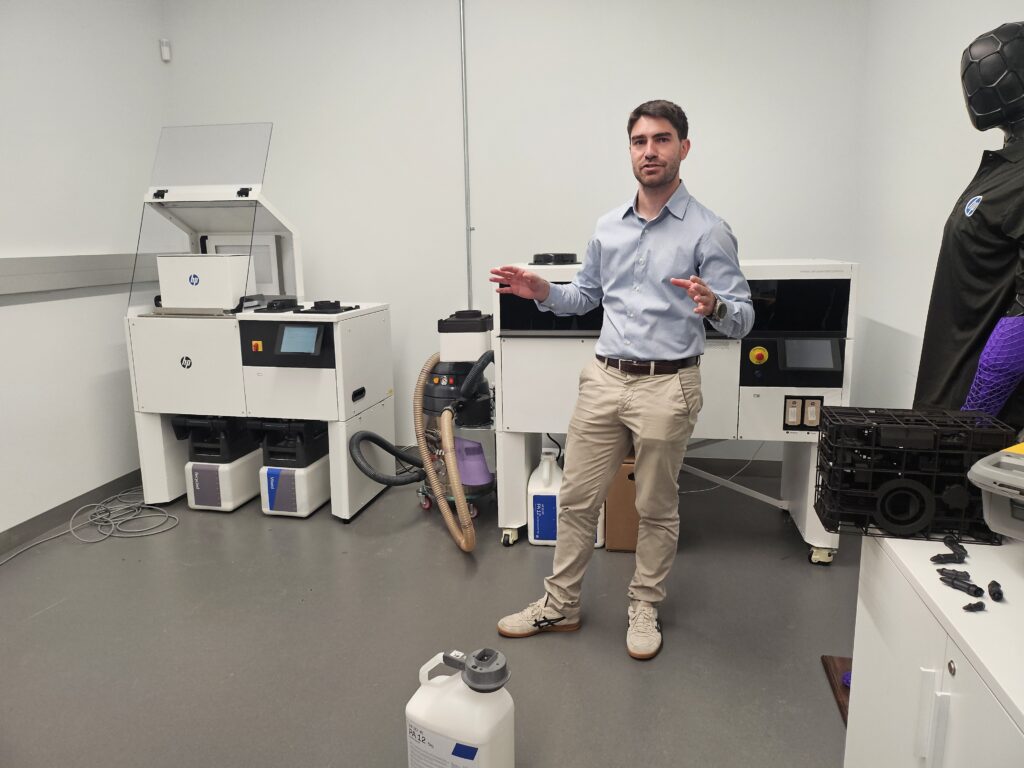
ADDMAN’ın 81 HP Metal Jet printer siparişi—HP’nin Additive Manufacturing Solutions tarihindeki en büyük tek müşteriden satın alımlardan biri—yeni hizmet bürolarının ne kadar hızlı ölçeklendiğinin göstergesi. François Minec, HP Additive Manufacturing Global Satış VP’si, “hizmet sağlayıcılar pazarın iki katı hızla büyüyor” diyerek olgunlaşan bir ekosistemi işaret ediyor.
Yeniden Yerelleştirme Etkisi: AM Benimsenmesinde Yeni Bir Sürücü
Tedarik zinciri kesintileri (COVID-19, jeopolitik gerilimler) birçok üreticiyi üretimi yeniden yerelleştirmeye zorladı. Eklemeli imalat bir tak-ve-çalıştır çözümü sunuyor:
- Teslim süresi azaltma: Önceden 6-haftalık kalıp süreci gerektiren parçalar 48 saat içinde basılıp gönderilebiliyor.
- Kalıpsız esneklik: Kalıp ya da döküm yok; tasarım değişiklikleri yazılım güncellemeleriyle uygulanıyor.
- 500–1.000 birimde maliyet eşitliği: Metal bileşenlerde HP Metal Jet’in parça başı maliyeti, hacim ~800 adet geçtiğinde 12-18 $ seviyesine düşerek geleneksel işleme rekabet ediyor.
Bu ölçütler, düşük hacimli, yüksek çeşitlilikli üretim için AM'yi cazip kılıyor—sözleşmeli atölyelerin tam da uzmanlaştığı niş.
Karşılaştırma: Düşük Hacimli Üretimde AM vs. Geleneksel İşleme
| Metric | Additive Manufacturing (Metal Jet) | CNC Milling (5-axis) |
|---|---|---|
| Setup Time | < 1 hour (software-only) | 4–8 hours (fixture, tool change) |
| Per-Part Cost @ 1,000 units | $14 | $22 |
| Material Waste | ≤ 5 % (near-net shape) | 30–45 % (chip removal) |
| Design Iterations | Unlimited (no re-tooling) | Limited (new fixtures/tools) |
| Lead Time | 2–3 days (post-order) | 7–10 days (tooling) |
Veriler, sözleşmeli üreticilerin AM'yi stratejik bir tamamlayıcı olarak konumlandırmasının nedenini vurguluyor, tamamen bir alternatif olarak değil.
Sonuç
Endüstriyel 3-D baskı artık geleceğin bir yeniliği değil; sözleşmeli üreticiler tarafından sunulan bütünleşik bir hizmet ve daha geniş pazarı geride bırakıyor. Yeniden yerelleştirme baskısı, uygun fiyatlı yüksek hacimli yazıcılar ve tedarikçi-odaklı iş modeli birleşimi, OEM'lerin düşük-orta hacimli metal parçaları tedarik etme şeklini yeniden şekillendiriyor. Hizmet büroları büyüme oranlarını ikiye katlamaya devam ettikçe, eklemeli imalat esnek, maliyet-rekabetçi bir alternatif olarak geleneksel işleme yerini sağlamlaştıracak.


