Key Takeaways
- GE Vernova will supply a 9E gas turbine and generator for the 372 MW Songon combined‑cycle plant in Côte d’Ivoire.
- The plant, built by China Energy International Engineering, is slated for commercial operation in 2029 and will supply up to 12 % of the nation’s installed capacity.
- The 9E delivers ≈ 400 MW (gas‑only) at 60 Hz, with a combined‑cycle net efficiency of 58.5 %, meeting IEC 61882 emissions limits (< 15 g/kWh NOx).
- The project supports Ivory Coast’s goal of universal electrification by 2030, creating ≈ 1,400 jobs and addressing a 10‑15 % annual demand growth.
Overview of the Songon Combined‑Cycle Project
Location & Stakeholders
The new power station will sit in the Songon industrial zone, about 30 km east of Abidjan. The venture is led by Songon Energies, an Ivorian development‑investment vehicle, with financing secured in June 2024 through a consortium of multilateral lenders and local banks.
Capacity, Configuration & Timeline
- Installed capacity: 372 MW (≈ 5 million homes).
- Technology: Single‑shaft 9E gas turbine driving a generator, exhaust gases feeding a heat‑recovery steam generator (HRSG) and a steam turbine.
- Commissioning: Expected 2029; the plant will represent roughly 12 % of Côte d’Ivoire’s total generation fleet (≈ 3 GW).
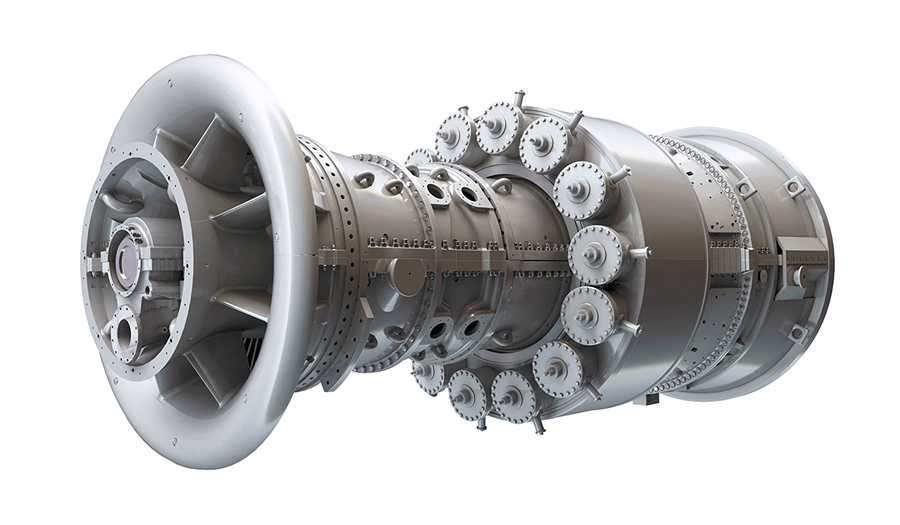
GE Vernova 9E Gas Turbine – Technical Snapshot
| Parameter | 9E (GE Vernova) | 7FA+ (previous generation) | 8HA (high‑efficiency flagship) |
|---|---|---|---|
| Rated output (gas‑only) | 400 MW (ISO) | 250 MW | 500 MW |
| Combined‑cycle net efficiency | 58.5 % | 55 % | 62 % |
| NOx emissions | < 15 g/MWh (IEC 61882) | 30 g/MWh | < 10 g/MWh |
| Dry weight | 378 t | 260 t | 470 t |
| Start‑up time (full load) | ≤ 15 min | ≤ 30 min | ≤ 10 min |
| Design life | 30 yr (with hot‑section upgrades) | 25 yr | 30 yr |
The 9E bridges the gap between the proven 7FA+ platform and the ultra‑high‑efficiency 8HA, offering a compelling balance of output, efficiency, and emissions for emerging‑market combined‑cycle plants.
Key Design Features
- Advanced 3‑stage high‑pressure compressor delivering a pressure ratio of 18:1.
- Dry low‑NOx (DLN) combustor with staged fuel injection, enabling compliance with strict African emission standards.
- Modular hot‑section that can be upgraded to the latest ceramic matrix composite (CMC) blades, extending life‑cycle performance.
Impact on Côte d’Ivoire’s Energy Landscape
Electrification Progress & Demand Outlook
By the end of 2024, the national electrification rate reached 94.3 %, driven by the “Electricity for All Program” (PEPT). However, annual demand is growing 10‑15 %, especially in rural zones where grid reach remains limited. The Songon plant’s 372 MW will:
- Reduce the capacity gap from an estimated 1.2 GW to under 600 MW.
- Provide grid‑stability services (frequency regulation, spinning reserve) thanks to the turbine’s rapid start‑up capability.
Economic and Social Benefits
- ≈ 1,400 direct and indirect jobs during construction and operation, with a target of 40 % local labor participation.
- Local content: Approximately 25 % of equipment (piping, instrumentation, civil works) will be sourced from Ivorian suppliers under the government’s “Made in Côte d’Ivoire” policy.
Project Execution & EPC Partner
China Energy International Engineering Co., Ltd. (CEIE) was awarded the EPC contract in early 2025. CEIE’s portfolio includes over 15 combined‑cycle projects across West Africa, giving it the regional experience to manage civil works, HRSG integration, and commissioning within the stipulated four‑year schedule.
Bottom Line
GE Vernova’s 9E turbine is the technical cornerstone of Côte d’Ivoire’s Songon 372 MW combined‑cycle plant, delivering high efficiency, low emissions, and rapid start‑up—attributes essential for a grid facing double‑digit demand growth. The project not only bolsters national power security, contributing roughly one‑tenth of total capacity, but also stimulates local employment and supply‑chain development. As the plant comes online in 2029, it will be a decisive step toward the country’s 2030 universal‑electrification target and a model for future gas‑fired investments across the region.


