Key Takeaways
- The US Naval Sea Systems Command (NAVSEA) has approved the Powder Bed Fusion (PBF) process for 17-4PH stainless steel at the Naval Undersea Warfare Center (NUWC) Keyport.
- This approval marks the first time a Naval Warfare Center has received NAVSEA qualification for a metal Additive Manufacturing (AM) process.
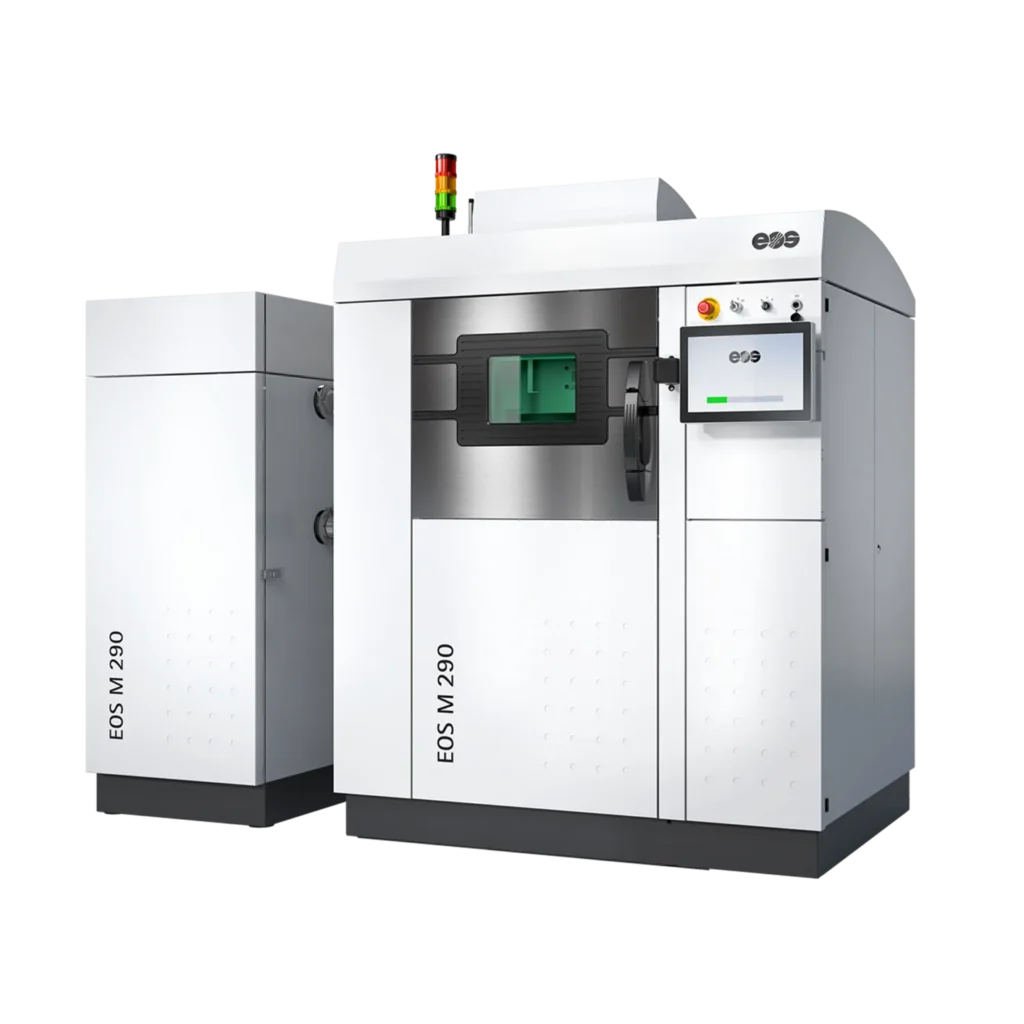
- The validated process was tested on the EOS M290, a widely used PBF system, and demonstrated resilience to power outages.
- The qualification of 17-4PH stainless steel is expected to accelerate the adoption of metal AM in the US Navy's supply chain.
Introduction to Metal AM in the US Navy
The US Navy has been investing in metal Additive Manufacturing (AM) technology, with the goal of improving the efficiency and effectiveness of its supply chain. The Naval Undersea Warfare Center (NUWC) Keyport, located in Washington state, has been at the forefront of this effort, working on a project to validate the PBF process for 17-4PH stainless steel.
Validation of the PBF Process
The validation process involved testing the EOS M290, a widely used PBF system, to ensure that it could produce high-quality parts consistently. The team also tested the process's resilience to power outages by stopping the build for 12 hours and then restarting it. The results showed that the stop-and-start nature of the print did not affect the final outcome.
Comparison of Metal AM Processes
| Process | Material | System | Benefits |
|---|---|---|---|
| PBF | 17-4PH Stainless Steel | EOS M290 | High accuracy, resilience to power outages |
| Directed Energy Deposition (DED) | 316L Stainless Steel | Various | High deposition rates, ability to repair existing parts |
| Binder Jetting | 17-4PH Stainless Steel | Various | High speed, low cost |
Future Developments
The qualification of 17-4PH stainless steel is expected to accelerate the adoption of metal AM in the US Navy's supply chain. The team at NUWC Keyport is already working on qualifying 316L stainless steel, which is expected to further expand the use of metal AM in the Navy. According to Bryce Weber, platform readiness and endurance technology lead, "This milestone is a key enabler for the NAVSEA organic industrial base to begin upscaling metal AM production."
Bottom Line
The approval of the PBF process for 17-4PH stainless steel at NUWC Keyport marks a significant milestone in the adoption of metal AM technology in the US Navy. With the validated process, the Navy can now produce high-quality parts consistently, which is expected to improve the efficiency and effectiveness of its supply chain. As the Navy continues to invest in metal AM technology, it is expected to have a significant impact on the industry, driving growth and innovation in the years to come.