Key Takeaways
- Aconity3D introduces a multi-material WireDED system for industrial applications
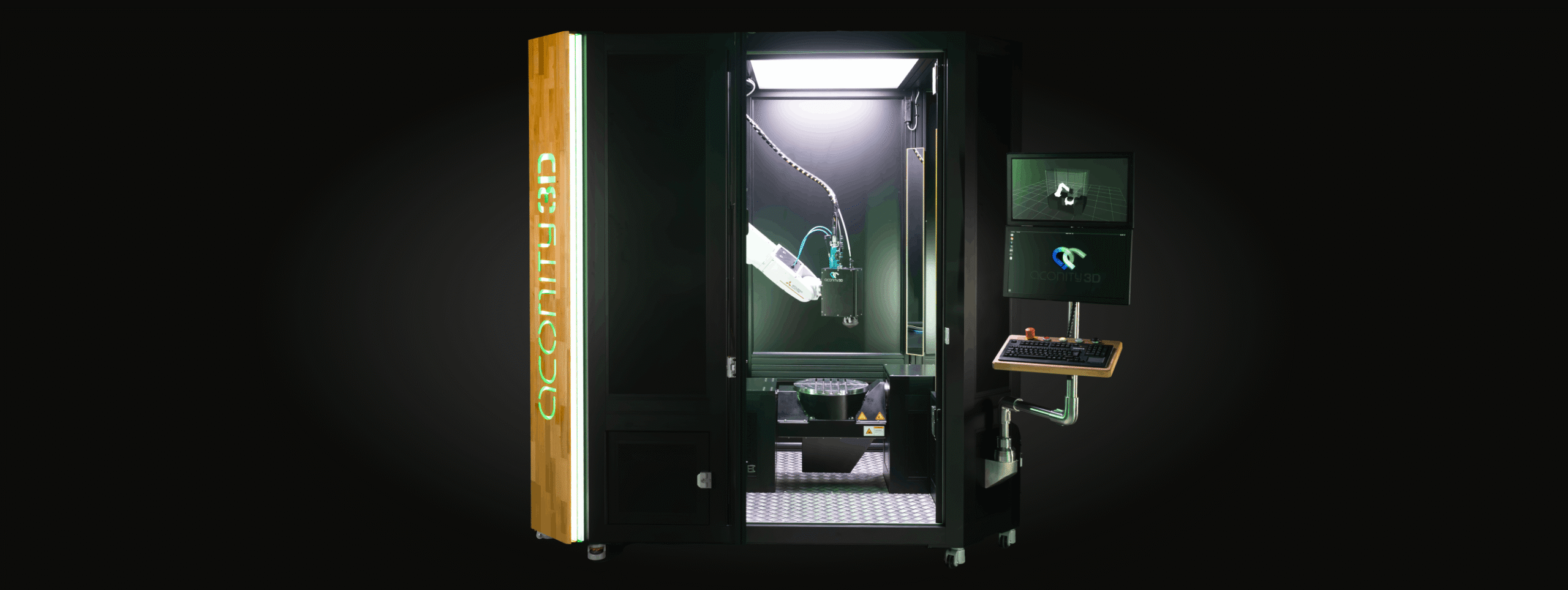
- The AconityWIRE 3D printer features a build volume of 400 x 780 mm and a 6-axis robot
- The system can work with various materials, including Aluminum, Stainless Steel, Inconel, and Titanium wire
- The machine is powered by a 1000 W or 1200 W fiber laser and can be heated to 500 °C
Introduction to Aconity3D and WireDED Technology
Aconity3D, a leading provider of open-system 3D printing solutions, has expanded its product line to include a multi-material WireDED system. This technology is designed to cater to the growing demand for industrial-grade 3D printing. Aconity3D's systems are widely used in universities and research institutions for developing new processes, testing exotic materials, and pushing the boundaries of 3D printing parameters.
AconityWIRE 3D Printer Specifications
The AconityWIRE 3D printer boasts an impressive build volume of 400 x 780 mm, making it suitable for a wide range of industrial applications. The system features a 6-axis robot and a 2-axis turn-tilt table, allowing for precise movement and control. The nozzle is shielded, and the system can be heated to 500 °C, enabling the processing of various materials. The machine is powered by a 1000 W or 1200 W fiber laser, providing the necessary energy for efficient material processing.
Comparison of AconityWIRE and Other 3D Printing Systems
| System | Build Volume | Robot Axes | Laser Power |
|---|---|---|---|
| AconityWIRE | 400 x 780 mm | 6-axis | 1000 W / 1200 W |
| Other Systems | Limited build volume | 3-axis or 4-axis | Lower laser power |
Industrial Applications and Material Compatibility
The AconityWIRE 3D printer has been validated on various materials, including Aluminum, Stainless Steel, Inconel, and Titanium wire. This versatility makes it an attractive solution for industries such as aerospace, automotive, and healthcare. The system's ability to work with multiple materials expands its potential applications, allowing for the creation of complex components and structures.
Bottom Line
In conclusion, Aconity3D's introduction of the multi-material WireDED system marks a significant milestone in the development of industrial-grade 3D printing technology. With its impressive build volume, precise movement control, and material compatibility, the AconityWIRE 3D printer is poised to meet the growing demands of various industries. As the technology continues to evolve, it is likely to play a crucial role in shaping the future of manufacturing and production.


